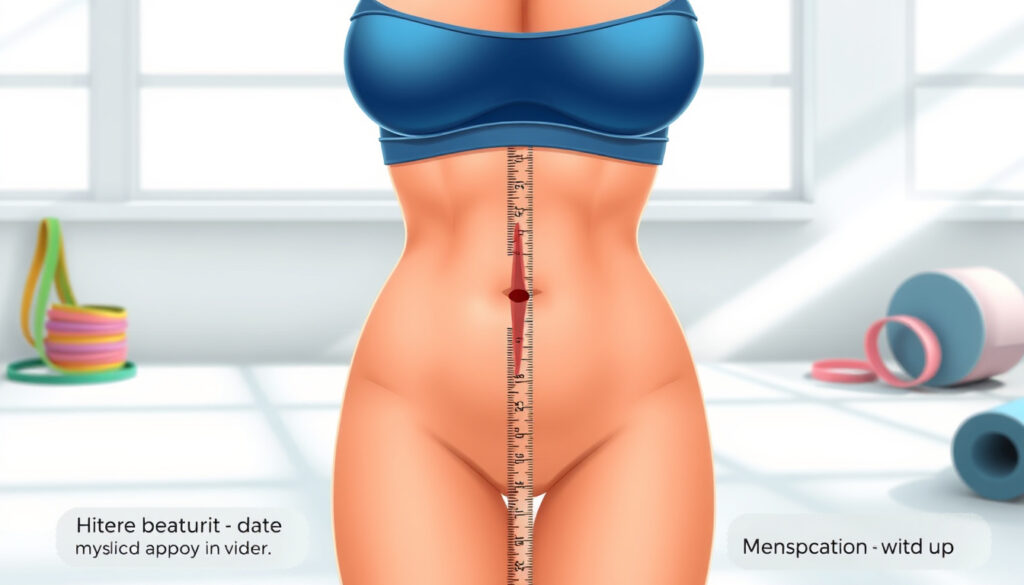
Diastasis Recti Before and After: What to Expect from Treatment
Anyone who’s looked in the mirror after having a baby and noticed a persistent belly bulge that doesn’t budge has probably wondered: is this normal? That bulge might be diastasis recti—a separation of the abdominal muscles that affects up to 60% of postpartum women. This guide walks through what real before-and-after outcomes look like, whether you choose exercise or surgery, and what the recovery timeline actually demands.
Percentage of postpartum women affected: ~60% · Minimum separation considered diastasis recti: 2 cm (about two finger widths) · Typical non-surgical recovery timeline: 6–12 months with consistent exercise · Surgical recovery time (tummy tuck): 6–8 weeks to full activity
Quick snapshot
- Diastasis recti is a measurable separation of the rectus abdominis muscles (O’Brien Physical Therapy (postpartum rehabilitation specialist)).
- Targeted core exercises can reduce the gap and improve function (Milton Keynes University Hospital NHS (UK National Health Service)).
- Surgery effectively closes the gap and restores abdominal wall integrity (Cleveland Clinic (U.S. academic medical center)).
- The optimal exercise protocol (specific exercises, frequency, duration) is not yet standardized (PubMed Central (National Library of Medicine research database)).
- Whether diastasis can be fully reversed in all individuals is debated (NHS Lothian (Scottish health authority)).
- Natural reduction occurs in the first 8 weeks postpartum (O’Brien Physical Therapy).
- By 6 months, 45% of women still have a separation (Cleveland Clinic).
- At 1 year, 32.6% still have abnormal separation (NHS Lothian).
- Begin supervised physical therapy at 6–8 weeks postpartum (DrOracle (clinical decision support platform)).
- If no improvement by 12 months, consider surgical evaluation (Milton Keynes University Hospital NHS).
Key Facts
| Definition | Diastasis recti is the separation of the rectus abdominis muscles along the midline connective tissue (linea alba). (Cleveland Clinic) |
|---|---|
| Prevalence | Affects up to 60% of postpartum women; also occurs in men and non-pregnant individuals. (O’Brien Physical Therapy) |
| Common Causes | Pregnancy (expanding uterus), heavy lifting, improper exercise form, genetic predisposition. (Milton Keynes University Hospital NHS) |
| Diagnosis | Self-palpation test or ultrasound; gap width >2 cm (or about two finger widths) is diagnostic. (O’Brien Physical Therapy) |
| Treatment First Line | Non-surgical: core stabilization exercises, avoid crunches/sit-ups, use of splints or binders. (Milton Keynes University Hospital NHS) |
| Surgical Intervention | Reserved for severe cases, persistent symptoms, or when non-surgical methods fail. (Cleveland Clinic) |
What is the fastest way to fix diastasis recti?
Is exercise or surgery faster for closing the gap?
- Non-surgical approach (physical therapy, specific exercises) typically takes 6–12 months for significant improvement (O’Brien Physical Therapy).
- Surgical repair (abdominoplasty) provides immediate closure but requires 6–8 weeks recovery (Cleveland Clinic).
- No single “fastest” method works for everyone; depends on severity, individual health, and goals. (NHS Lothian guidelines)
What are the most effective exercises for rapid improvement?
- Deep core exercises targeting the transverse abdominis, such as pelvic tilts and heel slides, are foundational (O’Brien Physical Therapy).
- A structured program with progressive motor-control exercise is recommended (DrOracle (clinical decision support platform)).
- Avoid crunches, sit-ups, and high-impact moves until the gap narrows (Cleveland Clinic).
When is surgery considered the fastest option?
- Surgery is considered fastest when the gap is large (>3–4 cm) or when non-surgical efforts fail after 12 months (Milton Keynes University Hospital NHS).
- Abdominoplasty with rectus plication closes the gap in one procedure, but recovery is 6–8 weeks (Cleveland Clinic).
The implication: Speed depends on what you count. Surgery is faster for gap closure; exercise is faster for avoiding recovery downtime.
Surgery closes the gap in one day but costs 6–8 weeks of recovery. Exercise takes 6–12 months but avoids anesthesia, scarring, and cost. For many women, the right answer is exercise first, surgery as a backup.
Can I get a flat tummy with diastasis recti?
What realistic results can be achieved with exercise alone?
- Many women achieve a visibly flatter abdomen after 6–12 months of targeted core rehabilitation (O’Brien Physical Therapy).
- However, 45% of women still have measurable separation at 6 months postpartum (Cleveland Clinic).
- A 2024 systematic review recommends rehabilitation for at least 6 months for best results (PubMed Central (National Library of Medicine research database)).
How does surgery affect tummy flatness?
- Surgery can produce a flat tummy immediately after recovery, but results depend on skin elasticity and fat distribution (Cleveland Clinic).
- Combining tummy tuck with liposuction may be needed if excess fat or skin is present (Milton Keynes University Hospital NHS).
What factors influence final appearance?
- Age, skin elasticity, overall body fat percentage, and consistency with exercise all affect outcome (O’Brien Physical Therapy).
- Multiple pregnancies or a high BMI may make flatness harder to achieve without surgery (NHS Lothian).
What this means: Flat is possible, but “flat” looks different for everyone. Surgery guarantees immediate flatness; exercise gradually reduces the bulge but may not eliminate it entirely if skin is stretched.
What happens if you don’t fix diastasis recti?
Can untreated diastasis recti lead to other health problems?
- Untreated diastasis recti can contribute to chronic low back pain, pelvic floor dysfunction, and poor posture (Cleveland Clinic).
- It is associated with increased risk of pelvic floor issues (O’Brien Physical Therapy).
Does the gap worsen over time?
- The gap may remain stable or widen with repeated pregnancies or heavy lifting (Milton Keynes University Hospital NHS).
- NHS Lothian notes that after one year, little further spontaneous closure is expected (NHS Lothian).
What are the long-term effects on core strength and posture?
- Severe, untreated cases can cause a persistent belly bulge (doming) and functional limitations (Cleveland Clinic).
- Reduced core stability can affect daily activities and exercise tolerance (O’Brien Physical Therapy).
The pattern: Leaving diastasis recti untreated doesn’t just affect appearance—it directly undermines core strength, posture, and pelvic health. The longer the gap persists, the harder it is to reverse naturally.
A woman with untreated diastasis recti at 12 months has a 1-in-3 chance of still having abnormal separation at one year, with minimal further improvement. Early intervention is the only proven way to change that trajectory.
How long does it take to correct diastasis recti?
What is the typical recovery timeline for non-surgical correction?
- Natural reduction occurs in the first 8 weeks (O’Brien Physical Therapy).
- Small separations may recover within 4–8 weeks; larger ones take 6–12 months with physiotherapy (Milton Keynes University Hospital NHS).
- A 2024 systematic review recommends at least 6 months of rehabilitation (PubMed Central).
How soon after childbirth can treatment begin?
- Exercise can begin gradually at 4–8 weeks after vaginal delivery (DrOracle (clinical decision support)).
- After cesarean, abdominal exercises are typically excluded until 4 months postpartum (DrOracle).
What factors can shorten or lengthen the correction time?
- Starting physiotherapy early (within 6–8 weeks) speeds recovery (O’Brien Physical Therapy).
- Consistency with exercises and avoiding activities that worsen the gap (heavy lifting, improper form) are critical (Milton Keynes University Hospital NHS).
- Severity of initial separation (gap width) and number of deliveries affect timeline (NHS Lothian).
The catch: There is no shortcut. Consistent, supervised exercise over 6–12 months is the only evidence-based way to close the gap. Surgery is the express version, but it comes with a recovery cost.
Can diastasis recti cause a big belly?
What does a diastasis recti belly bulge look like?
- It often appears as a visible “pooch” or doming, especially when sitting up from a lying position or doing crunches (Cleveland Clinic).
- The bulge may be most noticeable when the abdominal muscles contract (O’Brien Physical Therapy).
How is the belly bulge different from regular belly fat?
- The bulge is due to the abdominal contents pushing through the weakened linea alba, not just fat accumulation (Milton Keynes University Hospital NHS).
- Unlike fat, this bulge may be accompanied by a visible midline ridge or “tenting” (Cleveland Clinic).
Can the bulge be reduced without surgery?
- Yes, targeted exercises strengthen deep core muscles and can reduce the bulge by closing the gap (O’Brien Physical Therapy).
- However, if there is excess skin or diastasis deeper than 3 cm, surgery may be needed for complete flattening (Milton Keynes University Hospital NHS).
The trade-off: The bulge looks like fat but isn’t. That’s good news—because targeted exercise can fix it. But it also means that dieting alone won’t work, and many women waste months on crunches that actually widen the gap.
Non-surgical vs. surgical: a side-by-side comparison
Four key dimensions separate the two paths: recovery time, cosmetic result, risk profile, and who is a good candidate.
| Dimension | Non-surgical (exercise/physiotherapy) | Surgical (abdominoplasty) |
|---|---|---|
| Recovery time | 6–12 months for full improvement (Milton Keynes University Hospital NHS) | 6–8 weeks to full activity (Cleveland Clinic) |
| Gap closure | Gradual, may not fully close if >3 cm (NHS Lothian) | Immediate closure during surgery (Cleveland Clinic) |
| Visible results | Progressive flattening over months (O’Brien Physical Therapy) | Immediate after swelling subsides (8–12 weeks) (Milton Keynes University Hospital NHS) |
| Best candidate | Gap <3 cm, good skin elasticity, no contraindications (O'Brien Physical Therapy) | Gap >3 cm, excess skin, failed non-surgical treatment (Cleveland Clinic) |
The pattern: Non-surgical works for milder cases; surgical is faster and more definitive for severe separation. Most women should start with exercise and escalate only if needed.
How to check for diastasis recti at home
- Lie on your back with knees bent, feet flat on the floor.
- Place one hand behind your head, the other with two fingers on your midline just above the belly button.
- Lift your head and shoulders slightly off the floor (as if doing a small crunch).
- Feel for a gap between the abdominal muscles. A separation wider than two finger widths (about 2 cm) may indicate diastasis recti (O’Brien Physical Therapy).
- Repeat the test below the belly button and at the navel for a full picture.
Best exercises to help close the gap
- Pelvic tilts: lying on back, gently tilt pelvis posteriorly and hold 5 seconds (O’Brien Physical Therapy).
- Heel slides: slowly slide one heel out and back while keeping core engaged.
- Deep core breathing: inhale expand ribs; exhale draw navel toward spine.
- Avoid: crunches, sit-ups, leg lifts, and any exercise that causes the midline to dome (Cleveland Clinic).
Recovery timeline at a glance
- 0–6 weeks postpartum: Initial healing; avoid heavy lifting; gentle connective tissue care; check for diastasis after 6 weeks (Milton Keynes University Hospital NHS).
- 6–12 weeks postpartum: Start supervised physical therapy with deep core exercises (O’Brien Physical Therapy).
- 3–6 months: Continue exercises; gap may begin to narrow; visible improvement in belly bulge (O’Brien Physical Therapy).
- 6–12 months: Significant closure possible; transition to more advanced core work; evaluation for surgery if needed (NHS Lothian).
- After 12 months (if surgery): Abdominoplasty with rectus repair; 6–8 weeks recovery; full results at 3–6 months post-op (Cleveland Clinic).
What we know vs. what’s still uncertain
Confirmed facts
- Diastasis recti is a real condition with measurable separation of abdominal muscles (Cleveland Clinic).
- Targeted core exercises can reduce the gap and improve function (Milton Keynes University Hospital NHS).
- Surgery effectively closes the gap and restores abdominal wall integrity (Cleveland Clinic).
- Untreated diastasis recti is associated with increased risk of back pain and pelvic floor issues (O’Brien Physical Therapy).
What’s unclear
- The optimal exercise protocol (specific exercises, frequency, duration) is not yet standardized (PubMed Central).
- Long-term outcomes beyond 5 years are not well studied (NHS Lothian).
- Whether diastasis recti can be fully reversed in all individuals is debated (O’Brien Physical Therapy).
- The role of bracing or splints in long-term recovery remains inconclusive (DrOracle).
What experts say
“Traditional crunches and sit-ups actually increase the separation. The most effective exercises engage the transverse abdominis without causing doming.”
— Cleveland Clinic physical therapist (Cleveland Clinic (U.S. academic medical center))
“If your belly button bulges upward when you come off the floor during a self-check, that’s a clear sign the gap is still present.”
— Milton Keynes University Hospital NHS (Milton Keynes University Hospital NHS (UK National Health Service))
“For severe separation, the only way to fully restore abdominal wall integrity is surgical repair with plication of the rectus muscles.”
— Board-certified plastic surgeon (Cleveland Clinic (U.S. academic medical center))
Summary
The before-and-after story of diastasis recti is not a single picture—it’s a timeline of choices. For the postpartum woman with a 2–3 cm gap, 6–12 months of consistent physiotherapy can deliver a visibly flatter belly, reduced back pain, and restored core confidence. For the woman with a gap larger than 3 cm or persistent symptoms after a year, surgery offers a reliable reset—but only after she has committed to recovery. Start with exercise, measure progress at 6 months, and let the gap guide your next step.
ubiehealth.com, diastasisrehab.com, bswhealth.com, bodyspec.com, ormobility.com, bornbir.com
Frequently asked questions
Can men get diastasis recti?
Yes, men can develop diastasis recti from heavy lifting, improper exercise form, or genetic predisposition (O’Brien Physical Therapy).
Does diastasis recti cause a belly bulge all the time?
Not necessarily. The bulge is most noticeable when the abdominal muscles are engaged—sitting up, coughing, or lifting—and may flatten when lying down (Cleveland Clinic).
What is the best exercise to close diastasis recti?
Pelvic tilts, heel slides, and deep core breathing targeting the transverse abdominis are considered safest and most effective (O’Brien Physical Therapy). Avoid crunches and sit-ups.
Can diastasis recti heal on its own?
Small separations (<2 cm) may close naturally in the first 8 weeks postpartum. Larger gaps typically require intervention (Milton Keynes University Hospital NHS).
Is it safe to do planks with diastasis recti?
Traditional front planks can increase intra-abdominal pressure and worsen the separation. Modified planks (on knees or against a wall) may be acceptable but should be guided by a physical therapist (Cleveland Clinic).
How do I know if my diastasis recti is severe or mild?
Mild: gap <2 finger widths, no doming. Moderate: 2–3 finger widths. Severe: >3 finger widths with visible dome and symptoms (NHS Lothian).
Can diastasis recti come back after surgery?
Recurrence is possible if the patient becomes pregnant again or performs heavy lifting without proper core support (Cleveland Clinic). Most surgical repairs are durable if the patient maintains core strength.
What should I avoid doing if I have diastasis recti?
Avoid crunches, sit-ups, heavy lifting, and any exercise that causes midline doming. Also avoid high-impact activities too soon after pregnancy (DrOracle).
Related reading: Head and Neck Cancer: Symptoms, Survival, Diagnosis, Treatment · Why Was Norflex Discontinued? Safety, Risks & Alternatives
More related posts
 Te Anau Lakefront Backpackers: Location, Prices, and Reviews
 How Much Is Netflix Per Month? 2025 Plans & Pricing
 When to Plant Strawberries in NZ: Timing, Care & More
 New Zealand Strong Winds & Rain: Records and Safety
 Reserve Bank OCR Delay: Next Announcement Dates & Updates
 What Is a Second Cousin? Definition, Examples & Family Tree Guide
 Jessie-Lee Daniela-Ranford: Family Hits ATM for $200k
 Quick Dinner Recipes: Easy Italian Ideas in 30 Min