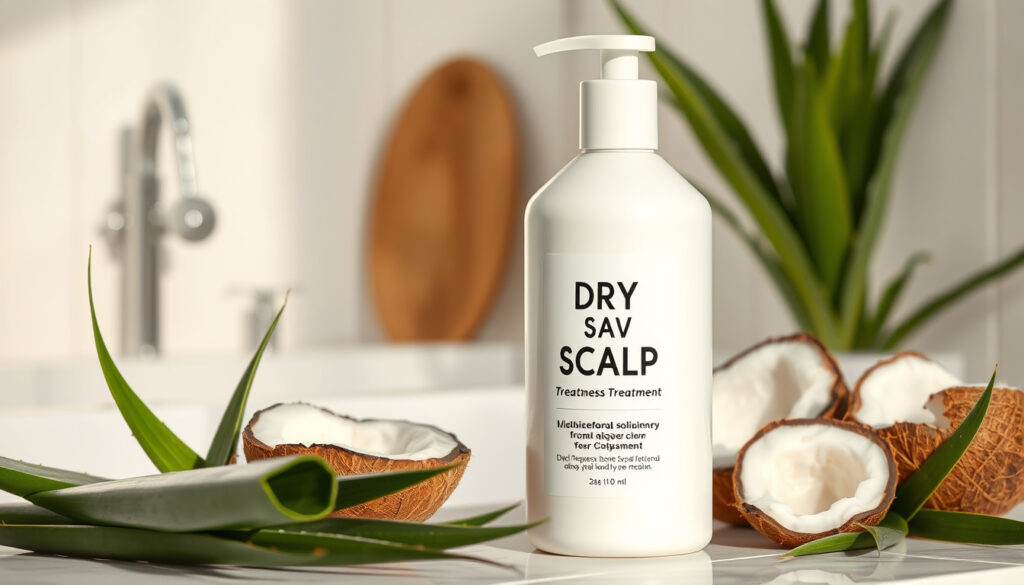
Shampoo for Dry Scalp: Causes, Treatments & Best Products
Anyone who has spent a winter scratching a tight, flaky scalp knows the ritual: check the part, brush off the flakes, blame dandruff. But a dry scalp is a different problem with a different fix — a moisture and barrier issue, not dandruff.
Adults affected by dry scalp occasionally: up to 40% ·
Dry scalp misdiagnosed as dandruff: frequent ·
Key causative factors: weather, harsh shampoos, skin conditions ·
Improvement with hydrating shampoo: often within 2 weeks of consistent use
Quick snapshot
- Up to 40% of adults deal with scalp dryness at some point — and the standard first step is a gentle, moisturizing shampoo that doesn’t strip natural oils (Cleveland Clinic (dermatology guidance)).
- Glycerin draws moisture into the scalp and is the most repeated hydrating ingredient in expert picks (Glamour (beauty magazine)).
- Hyaluronic acid and ceramides hydrate skin and rebuild the scalp barrier (NBC News Select (product-testing desk)).
- Salicylic acid gently exfoliates flakes when buildup is part of the problem (ELLE (beauty editorial)).
- Whether a dry scalp ever fully resolves or keeps returning with each dry season. (Women’s Health (wellness magazine))
- How much diet contributes: omega-3 and zinc deficiencies are frequently named, but the exact share of cases they drive isn’t pinned down. (Women’s Health (wellness magazine))
- Tea tree oil is commonly added to formulas, but its benefit for plain dryness is less solidly proven (Women’s Health (wellness magazine)).
- No improvement after two weeks of consistent gentle care? That’s the cue to see a dermatologist (Everyday Health (health journalism)).
- If flakes shift from dry and white to greasy and yellow, the treatment needs to shift to medicated actives. (Everyday Health (health journalism))
- Switch to a sulfate- and fragrance-free formula before adding anything medicated (Women’s Health (wellness magazine)).
- Screen labels for fragrance and dyes — the fewer ingredients in the bottle, the fewer chances to irritate (TODAY (consumer shopping guide)).
- Keep a simple symptom log: flakiness, tightness, and itch day by day — that’s the exact data a dermatologist will ask for. (Women’s Health (wellness magazine))
Key Facts Before You Buy a Shampoo
Six facts worth checking before you spend money — the common thread is that moisture repair, not medicated scrubbing, leads most dry-scalp routines.
| Fact | What you need to know |
|---|---|
| Prevalence | Up to 40% of adults experience scalp dryness at some point, and it’s frequently mistaken for dandruff. |
| Key cause | Weather changes, harsh shampoos, or skin conditions such as eczema and seborrheic dermatitis. |
| Common treatment | Gentle, moisturizing shampoo first; medicated actives (salicylic acid, selenium sulfide, pyrithione zinc) when flakes point to dandruff (ELLE (beauty editorial), Allure (beauty editorial)). |
| Resolution time | Often 2–4 weeks of consistent care; no change by then is the cue for a dermatology visit (Everyday Health (health journalism)). |
| Key hydration chemistry | Hyaluronic acid and ceramides form the water-binding, barrier-supporting core of many hydrating formulas (NBC News Select (product-testing desk)). |
| Ingredients to avoid | Fragrance and dyes are the most commonly flagged irritants for sensitive scalps (TODAY (consumer shopping guide)). |
What Is the Main Cause of a Dry Scalp?
A dry scalp happens when moisture leaves the skin faster than it can be replaced. Cleveland Clinic’s dermatology team names weather, harsh shampoos, and underlying skin conditions as the three usual drivers (Cleveland Clinic (dermatology guidance)).
Environmental triggers
- Cold weather and low humidity pull water from the scalp, which is why flakiness peaks in winter.
- Indoor heating and hot showers speed up the same moisture loss.
Underlying skin conditions
- Eczema and seborrheic dermatitis are common medical causes of a dry, itchy scalp.
- Harsh shampoos can inflame a sensitive scalp, but the underlying condition still needs its own treatment.
Product overuse and ingredient sensitivity
- Sulfates strip the scalp’s natural oils and can worsen dryness over time (Women’s Health (wellness magazine)).
- Fragrance and dyes are frequent irritants, which is why sensitive-scalp routines usually go fragrance-free (TODAY (consumer shopping guide)).
- Washing every day leaves the barrier little time to rebuild — more on that below.
The pattern: most dry scalps aren’t caused by one thing. The environment removes moisture, products strip the barrier, and a skin condition keeps the cycle turning. Fixing only one of the three leaves the other two working against you.
What Are the Best Shampoos for a Very Dry Scalp?
The best shampoos for a dry scalp do two jobs at once: cleanse gently and push moisture back in. The expert lists keep circling the same ingredients.
Key ingredients to look for
- Glycerin — draws water into the scalp and shows up in nearly every dry-scalp roundup.
- Hyaluronic acid and ceramides — the hydration-and-barrier pair that stops water from escaping.
- Aloe vera — calms irritation while adding lightweight moisture.
- Panthenol and plant oils (argan, coconut, jojoba) — moisture-locking ingredients that appear across dry-scalp formulas (TODAY (consumer shopping guide)).
- Shea butter — extra emollience for scalps that feel rough as well as dry.
Top product picks (dermatologist-reviewed)
- A glycerin-first daily wash for mild, everyday tightness.
- A ceramide-and-hyaluronic-acid formula for scalps that feel dry and rough at the same time.
- A salicylic-acid shampoo used once or twice a week when flakes keep building up.
- A fragrance-free, dye-free formula with colloidal oatmeal for scalps that itch and sting easily.
How to choose between medicated and natural formulas
- If flakes are white and powder-like, start with a humectant-heavy hydrating shampoo — that’s the signature of a dehydrated scalp.
- If flakes are yellow, greasy, or stuck to the scalp, the issue is more likely dandruff or seborrheic dermatitis, and medicated actives are the more appropriate call.
- A rotation works well for in-between cases: hydrating shampoo most days, a salicylic-acid wash once a week for buildup (ELLE (beauty editorial)).
The trade-off: moisturizing shampoos fix water loss but not dandruff-type flaking; medicated shampoos fix flaking but can under-deliver for true dryness. Match the formula to the flake type, not the label claim.
What Do Dermatologists Recommend for a Dry Scalp?
Dermatologists approach a dry scalp the way they approach dry skin anywhere else: protect the barrier first, treat inflammation second, and only reach for medicated options when the evidence points to dandruff. The ladder starts with the gentle, moisturizing shampoo message above.
Medical treatments versus over-the-counter shampoos
- First-line OTC care is a hydrating shampoo plus a consistent washing schedule; medicated anti-dandruff shampoos are not the starting point.
- When dandruff overlaps, selenium sulfide is the active experts point to for dry, flaky scalps (Allure (beauty editorial)).
- If a few weeks of gentle care don’t settle the scalp, a dermatologist can identify whether seborrheic dermatitis or eczema is driving it — and prescription treatments exist when inflammation is the cause (Everyday Health (health journalism)).
Prescription options and lifestyle adjustments
- Topical corticosteroids and similar prescription options are reserved for inflammation-driven cases, never as a first-line shampoo substitute.
- Lifestyle adjustments — washing less often, lukewarm water, and a humidifier in dry rooms — are part of the standard plan.
- If symptoms persist despite gentle care, patch testing can identify ingredient sensitivities that keep a scalp angry.
What this means: the derm ladder is short. Moisture first, medicated actives only if the flakes say dandruff, and a clinic visit if neither works in a few weeks. Skipping straight to step two is why so many routines stay dry.
How to Fix Extremely Dry Scalp?
If your scalp feels tight all day and flakes even after washing, the fix is a moisture plan, not a one-time rescue. The fastest route buys relief today; the routine change buys a calmer scalp next week.
Fastest hydration methods
- Massage a warm plant oil — coconut, jojoba, or argan — into the scalp for 10–15 minutes before you shower.
- Apply a hyaluronic-acid leave-in serum to damp scalp after washing.
- Aloe vera gel on the itchiest spots cools the scalp on contact.
A dehydrated scalp responds to the same chemistry as dehydrated facial skin: humectants pull water in, emollients seal it, and barrier lipids keep it there (Glamour (beauty magazine)).
Restoring moisture to the scalp
- Switch to a sulfate-free shampoo so every wash stops removing the oils the scalp needs.
- Follow shampoo with a conditioner or light scalp oil so moisture has a seal.
- Add a humidifier in dry rooms to slow down water loss.
The catch: rescue treatments feel good for an hour, but the barrier rebuilds over days. The fastest long-term fix is the most boring one — repeat the routine.
Should I Wash My Hair More if I Have a Dry Scalp?
No — this is the most common mistake. More washing means more stripping, especially with sulfate-heavy formulas. Most expert routines settle on two or three washes per week (NBC News Select (product-testing desk)).
“More washing” is how a temporary dry spell becomes a longer-term problem: each extra wash removes another layer of the scalp barrier before it can rebuild.
Signs of an overly dehydrated scalp
- Tightness immediately after washing or drying.
- Fine, white flakes — not the greasy yellow kind.
- Itching without redness or a visible rash.
How washing frequency changes the equation
- Daily washing plus a harsh shampoo is the fastest route to a drier scalp.
- Cutting to two or three washes a week while using a hydrating formula gives the barrier time to recover.
- If you train daily, rinse with water on off-days and shampoo only when needed — the goal is less stripping, not less hygiene.
The implication: washing frequency is a dial, not a habit. The right number is the one that leaves your scalp calm between washes — not the number from your old routine.
Hydrating vs. Medicated vs. Gentle: Which Shampoo Type Do You Need?
Three formula types dominate the dry-scalp aisle, and they solve different problems. The right one matches your flake type, not your brand loyalty.
| Attribute | Hydrating shampoo | Medicated anti-dandruff shampoo | Gentle / soothing shampoo |
|---|---|---|---|
| Best for | Dry, tight scalps with fine white flakes | Greasy yellow flakes or visible dandruff overlap (Allure (beauty editorial)) | Easily irritated, fragrance-sensitive scalps |
| Core ingredients | Glycerin, hyaluronic acid, ceramides, aloe | Salicylic acid, selenium sulfide, pyrithione zinc | Colloidal oatmeal, aloe, minimal formulas |
| How it works | Pulls water in and rebuilds the barrier | Exfoliates and normalizes flaking skin | Soothes irritation without stripping oils |
| Watch out for | Needs an emollient or conditioner to seal moisture | Can under-deliver if the problem is pure dryness | May be too mild if dandruff is the real issue |
The pattern: the hydrating column fixes water loss, the medicated column fixes dandruff-type flaking, and the gentle column keeps either from making things worse. Start in the lane that matches your symptoms.
Step-by-Step: A Two-Week Plan for an Extremely Dry Scalp
Two weeks is the decision window dermatology guidance keeps using: enough time for the barrier to start recovering, short enough to know if you’re on the wrong track. Here’s the sequence.
- Swap your shampoo. Choose a sulfate-free, fragrance-free hydrating formula and use it consistently.
- Wash two or three times a week with lukewarm water, not hot.
- Apply a leave-in hydrating serum to damp scalp after each wash, focusing on the tight, flaky areas.
- Do a warm oil treatment once a week — coconut, jojoba, or argan oil, left on for 10–15 minutes before shampooing.
- Run a humidifier in the rooms where you spend the most time.
- Track your symptoms. If the scalp hasn’t improved after two weeks, book a dermatology appointment (Everyday Health (health journalism)).
Dry Scalp: What’s Confirmed and What’s Still Unclear
Confirmed facts
- Dry scalp is distinct from dandruff: dandruff leans greasy and yellow, while dry-scalp flakes are fine and white (Cleveland Clinic (dermatology guidance)).
- Frequent washing with stripping shampoos removes the oils the scalp needs to hold moisture (Women’s Health (wellness magazine)).
- Salicylic acid reduces flaking by gently exfoliating buildup (ELLE (beauty editorial)).
What’s unclear
- Whether a dry scalp ever fully resolves or returns seasonally — many people treat it as a recurring winter condition.
- How much diet matters: omega-3 and zinc deficiencies are frequently named, but the exact contribution isn’t pinned down.
- Apple cider vinegar rinses are popular for pH balance, though the support is mostly anecdotal (ELLE (beauty editorial)).
The boundary: dermatology guidance agrees on the mechanism — dryness is a barrier-and-moisture problem. It is less certain about how much diet and home remedies move the needle, which is why evidence-based routines lead with washing habits and ingredients.
What Expert Voices Keep Saying About Dry Scalp
A dehydrated scalp responds faster to humectants, emollients, and barrier-supporting ingredients than to medicated anti-dandruff actives alone.
The formulas that earn repeated recommendations combine moisture-supporting ingredients with fragrance-free, dye-free bases that won’t add irritation.
Extra emollience — think shea butter — has a real role when the scalp feels rough as well as dry.
The common thread: experts keep returning to the same sentence — hydrate the barrier, stop stripping it, and let the scalp catch up.
The Takeaway
The dry-scalp shampoo aisle is full of products claiming to fix flakes, but the actual fix is unglamorous: match the formula to the flake, wash less, and give the barrier two weeks to rebuild. For anyone standing in the aisle with a tight, itchy scalp, the choice is clear — buy the gentle, hydrating option with glycerin or hyaluronic acid and a fragrance-free label, or keep cycling through anti-dandruff formulas that were never designed for the problem in the first place.
Frequently asked questions
Is dry scalp contagious?
No. A dry scalp is a skin-moisture condition, not an infection, so it can’t spread to other people.
Can stress cause dry scalp?
Stress doesn’t directly dry the skin, but it can aggravate eczema and seborrheic dermatitis, which show up as scalp flaking. If you notice flare-ups in high-stress stretches, a consistent hydrating routine matters more, not less.
What ingredients should I avoid in shampoo for dry scalp?
Sulfates are the ingredient most often flagged as drying for a sensitive scalp. Fragrance and dyes are the next cut — most expert picks for easily irritated skin go fragrance-free and dye-free.
How is dry scalp different from dandruff?
Dry scalp produces fine white flakes with a tight feeling; dandruff and seborrheic dermatitis produce greasier, yellow flakes and often redness. The distinction changes the treatment: moisture for one, medicated actives for the other.
Can dry scalp lead to hair loss?
Simple dryness alone rarely causes noticeable shedding. But persistent scratching or heavy inflammation can damage hair over time, so if you’re losing hair along with flaking, that’s a reason to see a dermatologist.
Are natural oils safe to use on a dry scalp?
Yes — argan, coconut, and jojoba oils are widely recommended to lock in moisture. Use them warm, massage for a few minutes, and wash them out completely to avoid buildup.
How long does it take for a dry scalp to heal with treatment?
Most routines show visible improvement within two to four weeks of consistent care. If the scalp hasn’t calmed by then, the next step is a dermatology appointment rather than another new shampoo.
More related posts
 What Is a Cold Wallet? How It Works, Top Wallets & Risks
 Latest World News Today: Al Jazeera, Headlines & Issues
 Queensgate Night Market Issues Today: Paused Over Safety Concerns
 House and Land Packages Christchurch: 2025 Guide & Prices
 How to Start a Business: Step-by-Step Guide
 b.box Drink Bottle Review: Features, Sizes, and Leakproof Answers
 Lydia Ko’s Next Tournament 2026: Schedule, Rankings & Retirement
 Chicken Curry with Coconut Cream – Easy 45-Minute Recipe