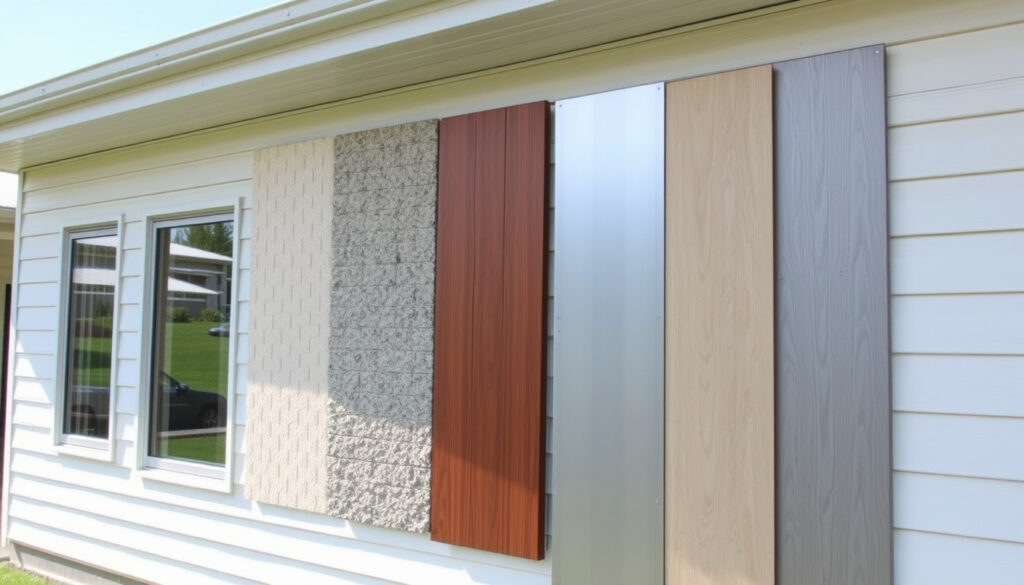
Cheapest Exterior Cladding NZ: 5 Budget Options Compared
If you’re building or renovating a home in New Zealand on a tight budget, the choice of cladding can feel like a minefield of price tags and trade-offs. According to Superior Renovations (NZ cladding specialist), vinyl and entry-level fibre cement remain the cheapest exterior cladding options in NZ for 2026.
Cheapest cladding type (upfront cost): Vinyl – approx. $50–$100/m² ·
Most cost-effective over 20 years: Fibre cement – approx. $100–$150/m² (low maintenance) ·
Widest price range across all materials: $50–$400+/m² (stone/specialty) ·
DIY budget option: Plywood – approx. $40–$80/m² (plus painting)
Quick snapshot
- Vinyl and entry-level fibre cement are the cheapest cladding types in NZ (Superior Renovations)
- Total cladding costs range from $50 to $400+/m² (ArchiPro)
- Exact per‑square‑metre prices vary by region, installer, and building complexity
- 2025 price forecasts are not yet published by official NZ bodies
- No timeline data available from BRANZ or MBIE for 2025–2026
- Compare material-only costs with installed prices to find the true budget winner
Five materials, one pattern: the cheapest upfront option often demands more maintenance or earlier replacement, while a slightly higher initial investment can save money over the life of your home.
| Material | Upfront cost (installed) | Lifespan | Maintenance | Best for |
|---|---|---|---|---|
| Vinyl | $50–$100/m² | 15–20 years | Low (wash occasionally) | Budget-conscious, inland areas |
| Fibre cement | $60–$150/m² | 30–50 years | Very low | Long-term value, coastal areas |
| Plywood (9mm H3) | $40–$80/m² (material) | 15–25 years | High (paint every 5–7 years) | DIY, small projects |
| Weatherboard (timber) | $80–$200/m² | 25–50 years | Moderate (paint or stain) | Traditional look, mixed budgets |
| Composite cladding | $100–$250/m² | 25–40 years | Low | Eco-conscious, modern designs |
The trade-off: vinyl saves you money now but may cost twice as much as fibre cement over 30 years when you factor in replacement.
What is the cheapest external cladding in NZ?
Vinyl cladding cost breakdown
- Material-only prices start around $40–$60/m² according to Builder Connect NZ (trade comparison site).
- Installed, you’re looking at $50–$100/m² – that’s the cheapest mainstream option available.
- Vinyl is lightweight, doesn’t rot, and needs only an occasional wash.
However, vinyl fades and becomes brittle after 10+ years of strong UV exposure, especially in North Island sun. Replacement after 15–20 years adds a hidden cost that many budget buyers overlook.
Fibre cement entry-level options
- Entry-level fibre cement (e.g., James Hardie HardiePlank) runs $60–$120/m² installed, per Superior Renovations.
- It’s more durable than vinyl, resists fire, and handles coastal conditions well.
- Some NZ guides put fibre cement at $200–$350/m² for premium systems, but basic sheets are budget-friendly.
Why it matters: fibre cement’s 30–50 year lifespan means you’ll likely never need to re-clad. That’s a huge saving over vinyl’s replacement cycle.
Plywood as a DIY budget choice
- 9mm H3-treated plywood costs about $40–$80/m² for the material alone, as noted by Builder Connect NZ.
- You’ll need to paint and seal it, adding $10–$20/m² in materials and significant labour.
- Plywood is a popular choice for sheds, sleepouts, and small additions where DIY installation is feasible.
The catch: plywood requires repainting every 5–7 years. In high-moisture areas, untreated edges can delaminate. It’s cheap upfront but not a set-and-forget solution.
The implication: choosing the cheapest external cladding means weighing now against later — vinyl gets you through the build, but the homeowner who plans for decades picks fibre cement.
What Is the Most Cost Effective Cladding in New Zealand?
Upfront cost vs. lifetime value
When you add up materials, installation, maintenance, and eventual replacement, the cheapest cladding over 20 years is usually fibre cement. Unveil Architects (NZ architectural practice) notes that fibre cement installed at $120–$150/m² has virtually no maintenance costs and lasts 30–50 years. Vinyl, at $80/m² installed, needs replacement after 15–20 years – effectively doubling the cost per year.
Maintenance requirements for common materials
- Vinyl: wash once a year. No painting. Replacement cost after 15–20 years.
- Fibre cement: repaint every 10–15 years (if painted). Otherwise, zero maintenance.
- Plywood: repaint every 5–7 years. Check for moisture damage annually.
- Weatherboard: repaint or stain every 5–10 years. Moderate upkeep.
Data from Trade Me Property (NZ listing platform) shows that weatherboard and composite boards often land around $250/m², but their longer lifespan and lower maintenance can still make them cost-effective for some homeowners.
Energy efficiency and insulation benefits
Cladding isn’t just a skin – it affects your power bill. Arcline (NZ building materials supplier) points out that some cladding systems allow for added insulation behind the cladding, which can reduce heating costs. Fibre cement and vinyl both offer easy installation of insulation, while plywood’s thinner profile may provide less thermal benefit.
Fibre cement costs more upfront but saves you money on maintenance and replacement. For a typical 150m² house, the 30-year total cost of vinyl can be $30,000–$40,000, while fibre cement sits at $20,000–$25,000.
The implication: if you plan to stay in your home for more than 10 years, fibre cement is the most cost-effective choice. If you’re flipping or renting, vinyl’s low upfront cost may be more attractive.
What cladding should you avoid?
Untreated timber and moisture risks
- Avoid untreated timber in exposed areas – it rots quickly and attracts borer.
- Even H3-treated pine needs proper flashing and painting to stay durable.
New Zealand’s leaky building crisis, documented by many industry sources, was largely caused by monolithic cladding systems (stucco over untreated framing) that trapped moisture. The Superior Renovations guide warns that any cladding system with poor detailing can lead to thousands in repairs.
Older fibre cement with asbestos
- Some pre-2000 fibre cement products contain asbestos. Check before removing or cutting.
- Modern fibre cement is safe and widely used.
Unveil Architects advises that if you’re buying an older home, a cladding inspection is essential.
Cladding with known weathertightness failures
- Monolithic cladding systems (e.g., stucco over untreated timber framing) are linked to leaky building syndrome.
- Some PVC-based cladding products have had issues with warping and discolouration in extreme heat.
What this means: avoid any cladding that relies on a single moisture barrier without proper drainage behind it. The cheapest option isn’t cheap if it leaks.
A cheap cladding system that fails can cost more than the most expensive premium option. The leaky building crisis in NZ has affected over 40,000 homes, with repair costs averaging $200,000 per property.
The pattern: what you save at the checkout you may pay later in repairs — the real budget decision is whether your wallet can handle a second bill.
What are common problems with exterior cladding?
Moisture ingress and rot
- Poor installation and lack of a drainage cavity are the leading causes of moisture problems.
- Plywood and untreated timber are most vulnerable.
According to Arcline, the NZ building code now requires a drained cavity behind most cladding types. This adds cost but prevents rot.
Cracking and impact damage
- Fibre cement can crack if not properly jointed or if nails are overdriven.
- Vinyl is more flexible but can be punctured by hail or lawnmower debris.
Builder Connect NZ notes that proper installation techniques are critical for durability.
Fading and UV degradation
- Vinyl fades and becomes brittle after 10+ years of strong sun, especially in areas like Central Otago.
- Composite cladding can fade unevenly, but many brands offer UV-stable finishes.
Trade Me Property’s cladding guide suggests choosing lighter colours to reduce heat absorption and fading.
The pattern: maintenance is the single biggest variable. A cheap material that requires constant upkeep often ends up costing more than a mid-range product that’s nearly maintenance-free.
What are the most popular cheap cladding options in New Zealand?
Vinyl cladding
Vinyl is the most popular budget cladding for new builds and renovations across NZ. Superior Renovations reports that its low cost and ease of installation make it a go-to for developers. However, it’s not suitable for coastal areas due to salt spray and UV degradation.
Fibre cement
James Hardie and other brands dominate the mid-range market. Arcline lists basic fibre cement at $60–$120/m², making it accessible for budget-conscious homeowners who want durability. It’s also fire-resistant – a key consideration for rural properties.
Plywood
Plywood is a favourite for DIYers and small projects. Builder Connect NZ notes that while it’s the cheapest material, the labour for painting and sealing often pushes the total cost close to vinyl’s installed price.
Weatherboard (timber)
Traditional timber weatherboard remains popular for its classic look. Unveil Architects puts the installed cost at $80–$200/m², making it more expensive than vinyl but offering better longevity and aesthetics.
For the average NZ homeowner, the best balance of cost and value is entry-level fibre cement. It’s not the absolute cheapest, but it avoids the replacement cycle of vinyl and the maintenance burden of plywood.
The implication: the most popular budget options reflect a market that wants cheap upfront, but the smarter buyer looks past the price tag to the total cost of ownership.
What we know for sure – and what’s still unclear
Confirmed facts
- Vinyl and entry-level fibre cement are the cheapest cladding types in NZ (Superior Renovations)
- Total cladding costs range from $50 to $400+/m² (ArchiPro)
What’s still unclear
- Exact per‑square‑metre prices vary by region, installer, and building complexity
- 2025 price forecasts are not yet published by official NZ bodies
- Long-term performance of new composite materials in NZ conditions is still being studied
- Fibre cement lifespan claims of 30–50 years rely on manufacturer data and may vary with installation quality
Expert perspectives
Vinyl and entry-level fibre cement remain the cheapest exterior cladding options in NZ for 2026.
– Superior Renovations (cladding guide)
The cost of cladding in New Zealand can vary hugely with a range between $50–$400 per square metre.
– ArchiPro (cost comparison article)
For a homeowner in New Zealand’s coastal Waikato, the choice between vinyl and fibre cement is clear: vinyl saves $2,000–$3,000 upfront on a 150m² house, but that saving disappears within 15 years when the vinyl needs replacing. Fibre cement, installed correctly, will outlast the mortgage.
Related reading: Cheapest exterior cladding NZ · Cladding options NZ
forte.co.nz, archipro.com.au, tradietools.nz, tradietools.nz, archipro.co.nz, archipro.co.nz, checkmybuilder.co.nz
For a detailed comparison of affordable cladding options, check out a detailed comparison of affordable cladding options which covers updated 2026 prices and top five choices.
Frequently asked questions
How long does vinyl cladding last in NZ?
Typically 15–20 years, depending on UV exposure and installation quality. In coastal areas, lifespan may be shorter.
Can you paint vinyl cladding?
Yes, but only with specific paints designed for vinyl. Painting can extend life and change colour, but it may void warranties.
What is the cheapest cladding for a shed?
Plywood (9mm H3 treated) is the cheapest at $40–$80/m² for material. Corrugated iron is also very affordable at around $30–$50/m² for material.
Is composite cladding worth the extra cost?
For eco-conscious homeowners, yes – composite uses recycled materials and requires little maintenance. But at $100–$250/m², it’s not the cheapest option.
Does cheap cladding affect home insurance?
Some insurers may charge higher premiums for cladding with known failure risks (e.g., monolithic stucco). Always check with your provider.
What is the most durable budget cladding?
Fibre cement is the most durable budget option, with a lifespan of 30–50 years and resistance to fire, rot, and termites.
Do I need a building consent for new cladding?
In most cases, yes – replacing or installing new cladding requires a building consent under the NZ Building Code. Check with your local council.
How can I reduce cladding installation costs?
DIY installation (for plywood or vinyl), buying materials in bulk, and choosing standard profiles over custom designs can cut costs significantly.
More related posts
 The Talented Mr. Ripley: Themes, Adaptations, and Queer Subtext
 Mount Eden Property for Sale: Complete Buyer’s Guide (2025)
 Houses for Rent Papakura: Prices, Listings & Tips
 Reserve Bank OCR Delay: Next Announcement Dates & Updates
 Mini Fridge NZ Kmart: Options, Setup & Guide
 Apple iPhone 16 Pro Max: Price, Specs & Value in Ireland
 DIVA Exhibition Auckland Museum: Dates & Free Entry