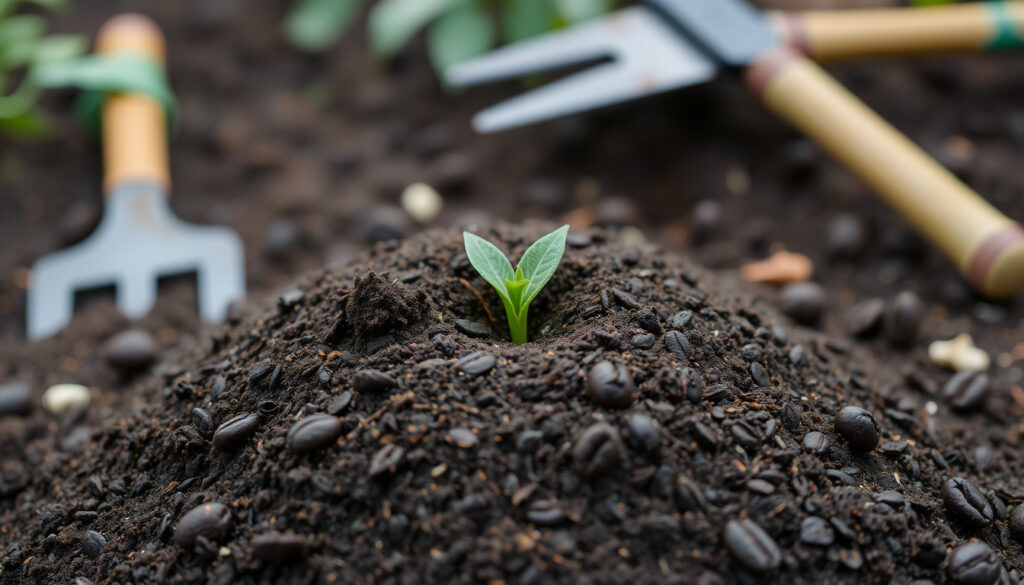
Coffee Grounds for Garden: Science-Based Benefits and How to Use
The instinct to recycle kitchen scraps into garden gold is common, but the science behind coffee grounds is more nuanced than many garden blogs suggest. This guide leans on university extension research and peer-reviewed studies to separate what actually works from the myths, so you can use coffee grounds with confidence — and without harming your plants.
Nitrogen content in used coffee grounds: Approximately 2% by volume ·
Slug mortality rate with coffee ground barrier: Up to 100% in lab tests ·
Recommended maximum soil amendment ratio: No more than 20% coffee grounds by volume ·
Coffee grounds diverted from U.S. landfills annually: Over 1 million tons ·
Time for coffee grounds to compost fully: 3 to 6 months in a hot compost pile
Quick snapshot
- Adds organic matter and nitrogen to soil (Oregon State University Extension)
- Suppresses slugs and snails (Oregon State University Extension) (Oregon State University Extension)
- Improves drainage and aeration in compost (University of Arizona Extension)
- Thick layers form a water-repellent crust (University of Arizona Extension) (University of Missouri Extension)
- Can inhibit seed germination (University of Missouri Extension)
- Overuse may tie up soil nitrogen (University of Missouri Extension) (University of Missouri Extension)
- Use only spent (used) coffee grounds (University of Missouri Extension)
- Apply in thin layers, max 0.5 inch (University of Arizona Extension)
- Compost first to reduce risk (Oregon State University Extension)
- Nitrogen content: about 2% (University of Missouri Extension)
- pH of used grounds: near neutral (5.5–6.8) (Oregon State University Extension)
- C:N ratio: 20:1, ideal for compost (Oregon State University Extension)
Five key facts about coffee grounds you need to know before using them in your garden:
| Fact | Value |
|---|---|
| pH of fresh coffee grounds | 5.5 to 6.8 (near-neutral for used) |
| Carbon-to-nitrogen ratio | 20:1 (good for composting) |
| Slug repellent effectiveness | Reduces slug damage by 50–100% in trials |
| Recommended application frequency | Once every 2–4 weeks |
| Amount to add per plant | 1 tablespoon for small plants, ¼ cup for shrubs |
Which plants are coffee grounds good for in the garden?
Acid-loving plants that benefit from coffee grounds
- Blueberries, roses, azaleas, and tomatoes are often cited as plants that like coffee grounds (University of Missouri Extension).
- However, used coffee grounds have a near-neutral pH (5.5–6.8), so they won’t significantly acidify soil the way fresh grounds might (Oregon State University Extension).
- Their real benefit to acid-loving plants comes from adding organic matter that supports beneficial soil microbes (University of Arizona Extension).
Vegetables and herbs that thrive with coffee grounds
- Tomatoes, peppers, and leafy greens respond well to the slow-release nitrogen in coffee grounds (Oregon State University Extension).
- Root crops like carrots and radishes benefit from improved soil texture.
- Herbs like basil and parsley also enjoy the organic matter boost.
How to identify plants that like coffee grounds
- Look for plants that thrive in organic-rich, well-drained soil with moderate nitrogen.
- Plants with dark green leaves often signal a need for nitrogen that coffee grounds can supply.
- A soil test can confirm whether your garden soil is acidic, neutral, or alkaline before you add grounds.
Most gardeners reach for coffee grounds to acidify soil for blueberries and azaleas, but used grounds are nearly neutral. The real benefit for these plants isn’t pH change — it’s the steady supply of organic matter and nitrogen that healthy soil microbes need. For acid-loving plants, your morning brew is a soil health boost, not an acidifier.
The implication: Acid-loving plants still benefit from coffee grounds, but not through acidification — it’s the organic matter and nitrogen that matter.
Which plants do not like coffee grounds?
Plants that prefer alkaline soil
- Lavender, rosemary, and orchids are alkaline-loving plants that can suffer from excess nitrogen (University of Missouri Extension).
- Other plants to avoid: asparagus, beets, and most Mediterranean herbs.
- Spent coffee grounds have even been shown to raise soil pH slightly, making them unsuitable for acid-loving crops (University of Missouri Extension).
Why some plants react poorly to coffee grounds
- Coffee grounds can release compounds that inhibit seed germination and early root growth (University of Missouri Extension).
- High nitrogen content can cause leafy growth at the expense of flowers or fruit.
- Thick layers of grounds can compact and block air flow to roots (University of Arizona Extension).
Signs of coffee ground overuse in sensitive plants
- Yellowing leaves (nitrogen burn) is a common sign.
- Stunted growth or wilting after application suggests the grounds are causing water repellency.
- White mold on the soil surface indicates too much moisture retention from thick layers.
The plants you think need coffee grounds most — blueberries and azaleas — are precisely the ones that may be harmed by the near-neutral pH of used grounds. And alkaline-loving plants like lavender can be set back by the extra nitrogen. The mismatch between garden lore and soil chemistry is where most damage happens.
The pattern: Confusion between soil pH myths and actual chemistry leads to harm — testing your soil before applying is the safest step.
Can I put coffee grounds straight on my garden?
Best method to apply fresh coffee grounds
- Yes, but in thin layers only — no more than half an inch (University of Arizona Extension).
- Work the grounds into the top 4 inches of soil for best results (Oregon State University Extension).
- Cover grounds with leaves or bark mulch to prevent surface crusting (Oregon State University Extension).
How to avoid mold and clumping
- Spread grounds immediately after brewing, before they clump.
- Mix wet grounds with dry brown materials like leaves or straw.
- Avoid piling grounds around plant stems — keep them at least 2 inches away.
Composting coffee grounds first
- Composting reduces the risk of nitrogen burn and kills weed seeds (Oregon State University Extension).
- Use a ratio of three parts leaves to one part grass clippings to one part coffee grounds by volume (Oregon State University Extension).
- Keep coffee grounds to no more than 20% of total compost volume (Oregon State University Extension).
The catch: Direct application of fresh coffee grounds works only if you follow the thin-layer rule. Skip that, and you risk a crust that repels water and a moldy surface that attracts pests.
Where should coffee grounds not be used in the garden?
Areas with seedlings or young plants
- Seedlings are highly sensitive to the compounds in coffee grounds that can inhibit germination (University of Missouri Extension).
- Wait until plants are at least 4–6 inches tall before applying grounds.
- For direct-sown seeds, avoid applying grounds to the planting area for at least two weeks.
Heavy clay soils
- Clay soils already have poor drainage; adding coffee grounds can make them waterlogged (University of Arizona Extension).
- In clay, compost grounds first to improve texture before adding to soil.
- Use grounds as a thin top dressing with coarse mulch, not worked into clay directly.
Around plants that need high pH
- Alkaline-loving plants like clematis, honeysuckle, and lilacs should get no coffee grounds (University of Missouri Extension).
- Likewise, avoid grounds near cacti, succulents, and most drought-tolerant perennials.
- Test soil pH first if you’re unsure which camp your plants fall into.
The places coffee grounds do the most damage — seedling beds, clay soils, and alkaline-loving plant zones — are exactly where gardeners are most tempted to use them. A single thick application can set back young plants by weeks and turn a clay patch into a muddy mess.
What this means: Knowing where not to apply is as important as knowing where to apply — always consider soil type and plant sensitivity.
How to apply coffee grounds to lawn
Mixing coffee grounds with topsoil
- For lawn areas, mix grounds with topsoil at no more than 20% by volume.
- Spread the mixture thinly over bare patches before overseeding.
- Water in lightly to help grounds settle into the soil surface.
Using coffee grounds as a lawn top dressing
- Apply 1 pound of coffee grounds per 100 square feet per month at most (Oregon State University Extension).
- Spread grounds thinly and rake them into the top inch of soil.
- Top with a thin layer of fine compost or leaf mold to prevent surface crust.
Frequency and quantity for lawn care
- Apply every 4–6 weeks during the growing season.
- Avoid over-application, which can cause nitrogen runoff and burn grass.
- Reduce frequency in fall and winter when grass growth slows.
The trade-off: Lawns get a steady nitrogen boost from coffee grounds, but the fine texture means they can form a crust if applied too thick. Thin, frequent applications — and always raking them in — keep your grass green without the crust.
Pros and Cons of Coffee Grounds in the Garden
Upsides
- Adds organic matter and improves soil structure
- Provides slow-release nitrogen (about 2%)
- Suppresses slugs (50–100% reduction in trials)
- Encourages beneficial soil microbes
- Recycles kitchen waste (over 1 million tons diverted from U.S. landfills annually)
Downsides
- Thick layers form water-repellent crust
- Can inhibit seed germination
- May tie up nitrogen during decomposition
- Does not significantly acidify soil (used grounds are near-neutral)
- Can attract ants and other pests if not used correctly
The balance: Coffee grounds offer real benefits but come with risks that demand careful application — they are a soil amendment, not a miracle cure.
Step-by-Step: How to Use Coffee Grounds Safely
- Collect and store used grounds
- Let grounds cool completely after brewing.
- Store in a sealed container in the fridge if not using immediately.
- Do not store wet grounds in a sealed bag — they will mold within days.
- Test your soil before applying
- A simple home pH test kit costs about $10 and tells you whether your soil is acidic (below 6.0), neutral (6.0–7.0), or alkaline (above 7.0).
- If your soil is already acidic (below 6.0), use coffee grounds sparingly.
- If your soil is alkaline (above 7.0), coffee grounds can help build organic matter without significantly changing pH.
- Apply the right amount
- For garden beds: Work up to half an inch of grounds into the top 4 inches of soil (Oregon State University Extension).
- For lawns: 1 pound per 100 square feet per month.
- For compost: no more than 20% of total pile volume.
- Monitor for signs of trouble
- Watch for yellowing leaves, stunted growth, or mold on the soil surface.
- If you see a crust forming, gently rake the surface and add a thin layer of bark mulch.
- Reduce frequency if plants seem stressed.
The catch: Even with the right method, every garden is different — monitoring your plants’ response is the final test.
Confirmed Facts vs. What’s Unclear
Confirmed facts
- Coffee grounds add nitrogen to soil (about 2%) (University of Missouri Extension)
- Used grounds do not significantly acidify soil (Oregon State University Extension)
- Thin layers of grounds suppress slugs (50–100% effectiveness) (Oregon State University Extension)
- Excessive application harms plant growth and can tie up nitrogen (University of Missouri Extension)
- Coffee grounds should not exceed 20% of compost volume (Oregon State University Extension)
What’s unclear
- Effectiveness against specific insect pests beyond slugs
- Long-term impact on soil microbial diversity
- Optimal frequency for different plant types
- Whether coffee grounds release toxins that affect nearby plants (University of Missouri Extension)
- Whether coffee grounds attract or repel ants in the garden
The pattern: Confirmed facts rest on strong extension research, while the unclear areas highlight where more study is needed — and where gardeners should proceed conservatively.
Expert Perspectives
“Coffee grounds improve soil health and help control slugs. When used as a soil amendment, work half an inch of grounds into soil to a depth of 4 inches.”
Oregon State University Extension Service
“Spent coffee grounds are nearly neutral. They can raise soil pH and release toxins that affect nearby plants. For most situations, we recommend composting them first.”
University of Missouri Extension
“Coffee grounds should make up no more than 20% of compost volume. More than 30% has often been detrimental. Use a thin half-inch layer as mulch, covered with four inches of coarse organic mulch.”
University of Arizona Extension
“The safest approach is to compost coffee grounds first. Direct application should be thin and always mixed with other materials.”
GrowVeg (Ben Vanheems)
Summary
Coffee grounds are a valuable garden resource when used with restraint — they feed the soil, suppress slugs, and keep waste out of landfills. But the myth that they are a magic acidifier or a foolproof fertilizer has led many gardeners to overapply them, harming plants and compacting soil. For the home gardener in any climate, the evidence-based choice is clear: compost coffee grounds first, or apply them in thin, well-mixed layers, and always test your soil before starting.
agrilifetoday.tamu.edu, ask.extension.org, uwyo.edu, marthastewart.com, extension.umn.edu, ucanr.edu, mgnv.org, aip.org, extension.uconn.edu
For gardeners looking to improve soil health, Epsom salts for plants offer another natural amendment worth considering alongside coffee grounds.
Frequently asked questions
Do coffee grounds attract ants?
Coffee grounds can attract ants if they provide a food source or shelter. However, thin layers mixed into soil are less attractive than thick, damp piles. Some gardeners report that caffeine deters ants, but evidence is mixed.
Can coffee grounds be used as a fertilizer for indoor plants?
Indoor plants generally prefer a well-draining, sterile potting mix. Coffee grounds can introduce mold and pests. If used, compost them first and apply sparingly — no more than 1 tablespoon per pot.
How do coffee grounds compare to commercial nitrogen fertilizers?
Coffee grounds provide about 2% nitrogen, much less than synthetic fertilizers (which can be 10–30% nitrogen). They release nitrogen slowly, reducing burn risk, but won’t deliver a quick green-up. For heavy feeders, a balanced fertilizer is still needed.
Are coffee grounds safe for vegetable gardens?
Yes, when used correctly — thin layers mixed into soil or composted first. Avoid direct contact with edible parts. Coffee grounds do not pose a health risk to humans when used in vegetable beds.
Should I dry coffee grounds before using them?
Drying is not necessary and can make grounds dusty. Wet grounds clump less if used fresh from brewing. If you must dry them, spread in a thin layer and let them air-dry for 24 hours.
Do coffee grounds repel mosquitoes?
There is limited evidence that coffee grounds repel mosquitoes. Some studies suggest that burning dried grounds produces a smoke that deters insects, but topical applications or soil drenches have not been proven effective.
Can I use coffee grounds in a raised bed?
Yes. Raised beds benefit from the organic matter and nitrogen coffee grounds provide. Mix them into the top 4 inches of soil at no more than 20% by volume. Avoid piling them near plant stems.
What is the best way to store used coffee grounds for gardening?
Store fresh, used grounds in a container with air holes in the refrigerator for up to a week. For longer storage, freeze grounds or dry them under a fan before storing in a sealed container at room temperature.
The takeaway: The answers to these common questions reflect the same core principle — moderation and proper technique are key to using coffee grounds safely across all garden applications.
More related posts
 b.box Drink Bottle Review: Features, Sizes, and Leakproof Answers
 Billie Eilish Net Worth – 2025 Estimates Earnings Breakdown
 MYOB Essentials Login NZ: Guide, Fixes & Transition
 How Many Tablespoons in 1/4 Cup – Exact Conversion Chart
 Mercury Energy Customer Service: Phone, Hours & Email
 Hamilton East Medical Centre: Services, Appointments, Costs
 Tan in the City Ponsonby – Services, Reviews & Booking Guide
 Unmanned Combat Aerial Vehicle Guide: Models & Tactics