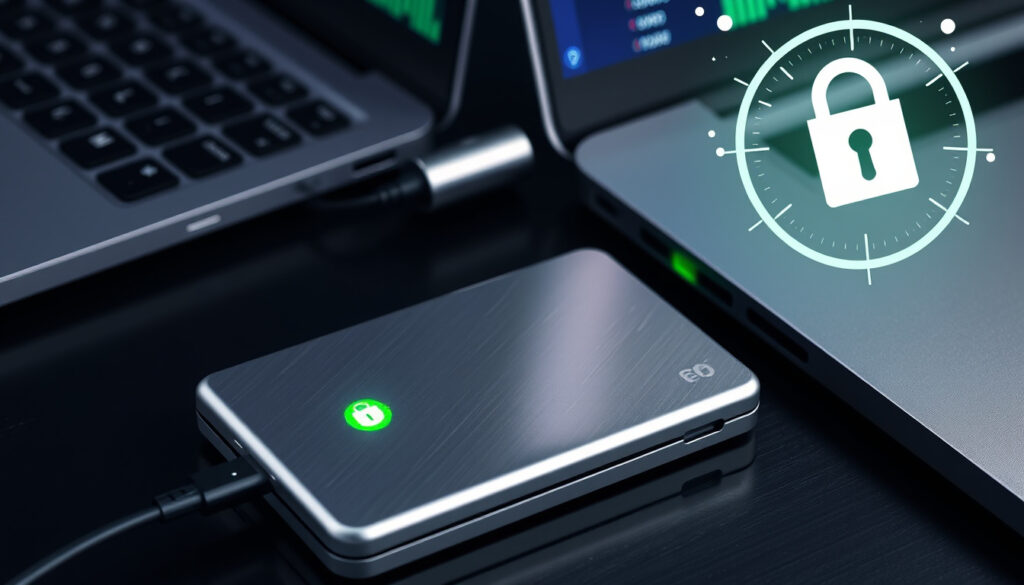
What Is a Cold Wallet? How It Works, Top Wallets & Risks
Anyone who’s bought cryptocurrency has faced the same question: should you leave it on the exchange or move it somewhere safer? Cold wallets eliminate the biggest vulnerability — an internet connection — but come with their own trade-offs.
Estimated crypto held in cold storage: 60% ·
Number of hardware wallet manufacturers: 10+ ·
Average price of a hardware cold wallet: $50–$200 ·
Crypto stolen in 2022 via hot wallet hacks: $3.8 billion
Quick snapshot
- Cold wallets store private keys on a device that never connects to the internet (BitGo, institutional custody provider)
- Hardware wallets like Ledger and Trezor are the most common cold wallet type (Ledger Academy, hardware wallet manufacturer)
- A seed phrase of 12–24 words is the standard backup method (Kaspersky, cybersecurity firm)
- Whether all cold wallets are immune to physical tampering — some have known vulnerabilities (Kaspersky, cybersecurity firm)
- The exact percentage of crypto assets held in cold wallets remains an estimate (BitGo, institutional custody provider)
- Institutional adoption of cold storage has grown as firms like BitGo offer hybrid hot-cold setups (BitGo, institutional custody provider)
- Major breaches in 2022 accelerated interest in offline storage (BitGo, institutional custody provider)
- Air-gapped wallets that never touch a networked device are gaining traction (Coin Bureau, crypto analysis platform)
The table below summarizes the core attributes of cold wallets.
| Attribute | Detail |
|---|---|
| Key storage | Offline, never exposed to internet |
| Transaction signing | Signed on device, then broadcast via online computer |
| Backup method | Seed phrase (12–24 words) |
| Common types | Hardware wallet, paper wallet, sound wallet |
| Best for | Long-term holding, large amounts, self-custody |
How does a cold wallet work?
Offline key generation and storage
- Private keys are generated on the device itself using a random number generator that never touches the internet (Ledger Academy, hardware wallet manufacturer)
- The seed phrase — 12 to 24 words — is derived from that randomness and becomes the master backup
- Because the key material never leaves the device, an attacker cannot steal it remotely
That offline generation is the core architectural difference. A hot wallet creates keys on a machine that could already be compromised; a cold wallet creates them in a trusted environment with no network interface.
Transaction signing process
- To send crypto, the user connects the cold wallet to a computer or phone via USB or Bluetooth (BitGo)
- The transaction details appear on the device’s screen, and the user physically confirms the action
- The device signs the transaction with the private key and sends the signed data back to the online computer, which broadcasts it to the network
The critical point: the private key signs the transaction locally and never gets transmitted. Only the final signature — useless without the key — travels over the internet.
Types of cold wallets: hardware, paper, sound
- Hardware wallets (Ledger, Trezor, Coldcard) are dedicated devices designed solely for key storage and signing (Changelly)
- Paper wallets are printed sheets containing the public address and private key — cheap but fragile
- Sound wallets encode keys as audio files, a niche option with limited support
Hardware wallets dominate the market because they balance security with usability. Paper wallets offer no way to safely sign transactions without exposing the key, which is why Ledger advises against them.
Hardware wallets cost $50–$200 and require a few minutes to learn. Paper wallets cost nothing but can fail catastrophically if stored or used incorrectly. For most holders, the upfront hardware price is insurance against a much larger loss.
What is the point of having a cold wallet?
Protection from online theft and hacking
- Cold wallets eliminate exposure to phishing, malware, and remote-exchange attacks because the private key never goes online (Kaspersky)
- In 2022, $3.8 billion in crypto was stolen from hot wallets and exchanges — money that cold storage would have kept inaccessible to remote attackers
The pattern is straightforward: if the key isn’t on a networked device, no phishing link or keylogger can reach it.
Full control of private keys (self-custody)
- When you use an exchange wallet, the exchange holds the private keys — you own the IOU, not the crypto
- With a cold wallet, the 12–24 word seed phrase is your ultimate authority. Lose it, and the crypto is gone. Keep it secure, and no third party can freeze or seize your funds (Ledger Academy)
Self-custody is the philosophical and practical core of cryptocurrency. A cold wallet makes it real.
Safeguarding large amounts or long-term holdings
- BitGo reports that institutions typically keep daily liquidity in hot wallets and significant long-term holdings in cold storage (BitGo)
- Individual investors follow the same logic: small trading balances in a hot wallet, savings in a cold wallet
Cold wallets aren’t for daily spending — they’re for the stack you don’t plan to touch for months or years. The inconvenience of offline signing is a feature, not a bug, because it discourages impulsive moves.
The single biggest cause of crypto loss in 2022 was not market volatility — it was theft from hot wallets and exchanges. Cold storage doesn’t prevent bad trades, but it prevents the kind of loss that happens when someone else controls your keys.
For holders, the choice between convenience and custody is clear: cold wallets prioritize security over speed, making them the right tool for savings.
What are the top 5 cold wallets?
Ledger Nano X and Nano S Plus
- Ledger’s Nano series supports over 5,500 cryptocurrencies and uses a certified secure element chip (Coin Bureau)
- The Nano X adds Bluetooth for mobile use; the Nano S Plus is a lower-cost wired alternative
- Ledger’s companion software, Ledger Live, handles transactions and portfolio tracking
Trezor Model T and Safe 3
- Trezor devices, made by SatoshiLabs, feature open-source firmware — a key differentiator for transparency-minded users (Coin Bureau)
- The Model T offers a color touchscreen; the Safe 3 is a more affordable entry
KeepKey, Coldcard Mk4, SecuX V20
- Coldcard Mk4 focuses exclusively on Bitcoin and includes a secure element and air-gap signing via microSD card
- SecuX V20 integrates a 2.8-inch color screen and supports roughly 1,500 tokens
- KeepKey, owned by ShapeShift, is a mid-tier device with a large display and a lower price point
The implication: there is no single “best” cold wallet. The right choice depends on which cryptocurrencies you hold, how much you value open-source code, and whether you need Bluetooth or prefer a fully air-gapped workflow.
Five leading cold wallets, one clear pattern: security features cluster at the high end, but all major brands solve the same core problem — keeping keys offline.
| Feature | Cold Wallet | Hot Wallet |
|---|---|---|
| Internet connection | Offline | Online |
| Private key exposure | Never leaves device | Stored on connected machine |
| Best for | Long-term storage, large holdings | Frequent trading, small balances |
| Resistance to remote attacks | High | Lower |
| Transaction speed | Slower (manual signing) | Fast (one click) |
| Cost | $50–$200 upfront | Free |
| Examples | Ledger, Trezor, Coldcard | MetaMask, Coinbase Wallet, Exodus |
What this means: cold wallets are not a replacement for hot wallets — they are a complement. Use a hot wallet for the crypto you spend and a cold wallet for the crypto you save.
Should I put my XRP in a cold wallet?
XRP cold wallet compatibility
- XRP is supported by Ledger (Nano X and Nano S Plus) and Trezor (Model T) (Coin Bureau)
- Before buying, verify compatibility: some wallets like Coldcard Mk4 support Bitcoin only
Security benefits for XRP holders
- Storing XRP in a cold wallet protects it from exchange failures — the collapse of FTX and other platforms wiped out users who left assets on the exchange
- A cold wallet also prevents unauthorized transactions if someone gains access to your exchange account
Considerations: transaction frequency and convenience
- If you trade XRP frequently, a hot wallet like Xumm or Trust Wallet is more practical — cold wallets add friction to every transaction
- For long-term XRP holdings — especially amounts you would not want to lose — a cold wallet is the recommended option (BitGo)
The pattern: frequency of use decides the tool. Traders need speed; holders need safety. XRP works fine in both environments, but the consequence of leaving a large position on a hot exchange is now well documented.
Upsides
- Private keys never exposed to the internet — eliminates remote theft
- Full self-custody: no third party can freeze or seize assets
- Ideal for long-term holdings and large amounts
- Broad cryptocurrency support from major brands
Downsides
- Physical device can be lost, stolen, or destroyed
- Seed phrase must be stored securely — misplace it and funds are gone
- Less convenient for frequent transactions
- Upfront cost of $50–$200
- Firmware updates require temporary online connection, creating a small window of exposure
For XRP holders, cold wallets are best for long-term storage; frequent traders should use a hot wallet.
Can I lose my crypto with a cold wallet?
Physical loss or destruction of the device
- If you lose the hardware device and have not backed up the seed phrase, the crypto is permanently inaccessible (BitGo)
- Fire, flood, or simple misplacement can destroy or hide a cold wallet
Seed phrase theft or misplacement
- A seed phrase stored online (screenshot, cloud document, email) defeats the purpose of a cold wallet — it becomes a hot target
- Physical theft of the seed phrase (written on paper and stored in a drawer) is equally risky (ChangeHero)
Firmware vulnerabilities and supply chain attacks
- Even hardware wallets can be exposed to malicious smart-contract signing risks (Kaspersky)
- If the device is tampered with before delivery (supply chain attack), it could contain malicious firmware
- ChangeHero advises buying directly from the manufacturer or authorized retailers and inspecting packaging for tampering (ChangeHero)
The catch: cold wallets shift the attack surface from remote to physical. An attacker can steal your device or your seed phrase if they can reach your home. The security model is different, but not absent.
Confirmed facts
- Cold wallets store private keys offline (BitGo)
- Hardware wallets like Ledger and Trezor are cold wallets (Ledger Academy)
- A seed phrase is essential for recovery (Kaspersky)
- Hot wallets are always online and therefore more vulnerable to hacking (Kaspersky)
What’s unclear
- Whether all cold wallets are immune to physical tampering — some models have documented vulnerabilities (Kaspersky)
- The exact percentage of crypto assets held in cold wallets — estimates vary widely (BitGo)
- Whether hardware wallets that connect via Bluetooth or USB maintain true “cold” status during use
“The only way to truly own your crypto is to hold the private keys yourself.”
— Pascal Gauthier, CEO of Ledger
“While offline storage eliminates remote attacks, physical security of the device and seed phrase remains critical.”
— BitGo security team
For anyone holding meaningful crypto assets — especially those who have watched exchange hacks or DeFi exploits drain accounts in minutes — the cold wallet is not a luxury. It is the single most effective tool for ensuring that what you own stays yours. The trade-off is clear: you trade convenience for custody, and you trade away the excuse that “someone else lost it.” For a long-term holder in any market, that is a trade worth making.
For those who prioritize security, hardware wallets offer a highly secure method of cold storage by keeping private keys completely offline.
Frequently asked questions
What is the difference between a cold wallet and a hot wallet?
A cold wallet stores private keys offline on a device that never connects to the internet. A hot wallet keeps keys on a connected device — phone, computer, or browser — making transactions faster but exposing the keys to online risks. Cold wallets are for security; hot wallets are for convenience.
Can a cold wallet be stolen physically?
Yes. A hardware device can be stolen just like any physical object. Without the seed phrase, however, the thief cannot access the crypto. The seed phrase is the true key — store it separately and securely.
Do cold wallets support all cryptocurrencies?
No. Each wallet model supports a specific set of blockchains. Ledger supports over 5,500 assets; Coldcard supports Bitcoin only. Always check compatibility before purchasing.
How do I transfer crypto to a cold wallet?
Set up the device and generate a receiving address on its screen. Then send crypto from your exchange or hot wallet to that address. ChangeHero recommends sending a small test amount first to confirm the address is correct (ChangeHero).
Is a paper wallet still a viable cold wallet option?
Technically yes, but paper wallets are fragile and difficult to use safely. Signing a transaction requires importing the key into a connected device, defeating the cold storage premise. Most experts recommend hardware wallets instead.
What happens if I lose my cold wallet without a seed phrase?
The crypto is permanently lost. No company, including the wallet manufacturer, can recover it. The seed phrase is the only backup — without it, the funds are gone forever.
Are cold wallets required for DeFi participation?
Not required, but some DeFi protocols now support hardware-wallet signing via WalletConnect. However, interacting with smart contracts while using a cold wallet introduces risks — malicious contract approvals can still drain assets if signed on the device (Kaspersky).
More related posts
 0800 Best Deal Cars Christchurch – Guide to Deals, Contacts and Reviews
 39 USD to NZD: Current Rate & Analysis for Conversion
 Graze and Glow Menu: Prices, Items & What to Order in Dunedin
 Honey Soy Chicken Recipe – Easy, Sticky, and Delicious
 1999 House of Nails: Reviews, Prices & Booking Guide
 Westpac Business Online Banking NZ: Login, Reset & App Guide
 South Africa vs Australia Rugby: TV Channels & Kick-off Times
 New Balance Black Shoes – Top Picks for 2024